
20 sept 2012
Documentary *Last Train Home* (en inglés)
Synopsis:
Every winter, China's cities are plunged into chaos, as all at once, a tidal wave of humanity attempts to return home by train. It is the Chinese New Year. The wave is made up of millions of migrant factory workers. The homes they seek are the rural villages and families they left behind to seek work in the booming coastal cities. It is an epic spectacle that tells us much about China, a country discarding traditional ways as it hurtles towards modernity and global economic dominance.
Sixteen years ago, the Zhangs abandoned their young children to find work in the city, consoled by the hope that their wages would lift their children into a better life. But in a bitter irony, the Zhangs' hopes for the future are undone by their very absence. Qin, the child they left behind, has grown into adolescence crippled by a sense of abandonment. In an act of teenage rebellion, she drops out of school. She too will become a migrant worker. The decision is a heartbreaking blow for the parents.
Last Train Home follows the Zhangs' attempts to change their daughter's course and repair their ruptured family. Intimate and candid, the film paints a human portrait of the dramatic changes sweeping China.
Last Train Home by Lixin Fan: Check Wikipedia


19 sept 2012
18 sept 2012
Documental The Trap de Adam Curtis
Ver parte 1:
Enlace parte 2:
http://www.youtube.com/watch?v=6a76YVKE07g
Enlace parte 3:
http://www.youtube.com/watch?v=o-1hmUqJBjU
Sinopsis:
"The Trap es el último trabajo del realizador británico Adam Curtis (también creador de El Poder de las Pesadillas). Explica los orígenes de nuestra idea actual y limitada de la libertad. La serie fue emitida en la BBC en marzo del 2007 y consta de 3 episodios en los que se muestra cómo la creación de un modelo simplificado de los seres humanos como criaturas egoístas, casi robóticas, condujo al concepto moderno de libertad. Este modelo derivaba de ideas y técnicas desarrolladas por los estrategas nucleares durante la Guerra Fría para controlar el comportamiento del enemigo soviético.
El matemático John Nash (ganador del Premio Novel y polularizado en la pelicula “Una Mente Maravillosa”) partía de la idea de que todos los seres humanos actúan de la misma forma: como criaturas egoístas que sólo piensan en su propio beneficio y constantemente modifican sus estrategias para sacar el máximo provecho de los demás. De allí que era posible tratar de predecir sus movimientos, basándose en los postulados de las Teorías de los Juegos. Este mismo modelo fue desde entonces desarrollado por biólogos genéticos, antropólogos, psiquiatras radicales y economistas del libre mercado, y ha llegado a dominar tanto el modo de pensar político como el del resto de los ciudadanos. Está en la base de las ideas liberales de una democracia regulada por las fuerzas del mercado, de la antipsiquiatría y de la ciencia psiquiátrica modernas.
El resultado, según Curtis, ha sido este paradójico y extraño mundo en que vivimos, que parece haber copiado al pie de la letra lo peor de las distopías imaginadas por Orwell y Huxley en 1984 y Un mundo feliz, respectivamente: un mundo dominado por la cultura del miedo, desbordado por la burocracia, el mercantilismo desenfrenado, en el que se cercenan libertades individuales en nombre de la libertad y la felicidad puede ser alcanzada a través de medios artificiales, con una simple píldora. Los tres capítulos de The Trap resultan imprescindibles para descifrar la retorcida realidad en la que vivimos inmersos, sin percatarnos de sus paradojas."
Fuente del texto: Naranjas de Hiroshima
17 sept 2012
PHOTANICA de Román Díaz de Carballo
Serie fotográfica titulada "PITAS"


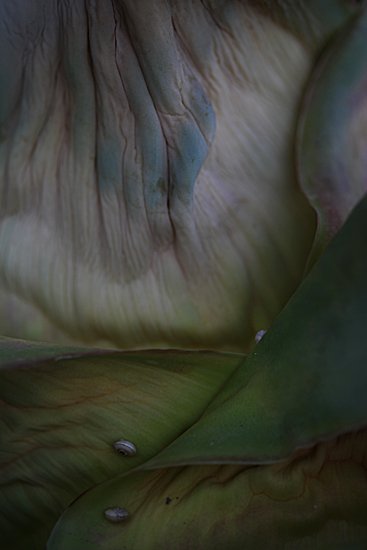


Visita la Web del fotógrafo Román Díaz Carballo:
13 sept 2012
3 sept 2012
Agua Profunda
Agua profunda,
corriente que, sin ver jamás el monte,
sin conocer la selva,
diriges a tierra el mar,
el ciego.
Agua en que mil formas me encuentras
siempre más libre que la luz del sol.
Carmen Boullosa
(En Web A media voz)

corriente que, sin ver jamás el monte,
sin conocer la selva,
diriges a tierra el mar,
el ciego.
Agua en que mil formas me encuentras
siempre más libre que la luz del sol.
Carmen Boullosa
(En Web A media voz)

Fotografía de Marcos Mawson
31 ago 2012
17 ago 2012
Documental "La educación prohibida"
Sitio Web Oficial: http://www.educacionprohibida.com
Mapa de Proyecciones Independientes:http://proyecciones.educacionprohibida.com/mapa/
9 ago 2012
Según hablas del mundo
Según hablas del mundo
prende el mundo
según mueves los brazos
distraídos
el viento recompone adivinanzas
abre de sol
los libros ciegos
las veredas que no sabrás nombrar
pero que existen
por ti desenterradas.
Antonio Méndez Rubio
(En "Las moradas del verbo" - antología poesía española, Calambur, 2010)

prende el mundo
según mueves los brazos
distraídos
el viento recompone adivinanzas
abre de sol
los libros ciegos
las veredas que no sabrás nombrar
pero que existen
por ti desenterradas.
Antonio Méndez Rubio
(En "Las moradas del verbo" - antología poesía española, Calambur, 2010)

Autorretrato de luz y sombra - María Gabriela Lovera Montero - Cádiz 2012
31 jul 2012

26 jul 2012
TimeScapes documentary / documental poema visual
Director: Tom Lowe
Producer: Tom Lowe
Genres: Documentary
TimeScapes is the debut film from award-winning cinematographer and director Tom Lowe. The film features stunning slow-motion and timelapse cinematography of the landscapes, people, and wildlife of the American South West. Lowe spent 2 years roaming the Southwest in his Toyota pickup truck shooting the film. TimeScapes was shot, edited and color-graded at 4K resolution (4096 x 2304 pixels).
http://timescapes.org
25 jul 2012
Translation by Richard Gwyn
"All your stories are about yourself, she said, even
when they seem to be about other people. I was not going to deny this, nor give
her the pleasure of being right. So I quoted Proust, who said that writers
don’t invent books; they find them within themselves and translate them. This
seemed to do the trick, and she fell silent. I dipped my fingers into a bowl of
scented water and started on the rice. An aftertaste of clay and leaves and
metal took me by surprise. What is in this rice? I asked her. Mushroom stock?
Shotgun cartridge? Earthworm? No, she said, peering at me through the
candlelight, the stories that you haven’t written yet are in the rice. You
must be tasting them."
From Sad Gyraffe Café


Rice Field Art in Japan
"The
creations emerge in the late summer months after the rice plants have had a
chance to grow.
But the farmers first sketch out their designs on computers so that they know exactly where the rice
needs to be planted.
Hundreds
of villagers and other volunteers then help plant the four different coloured
varieties of rice in the vast fields.
The most famous work is grown in the village of Inakadate, 600 miles north of Toyko, where the tradition began in 1993. Each year a different design is on show and more than 15,000 visitors travel to see the creation."
Continue reading at: http://www.telegraph.co.uk
24 jul 2012
Suscribirse a:
Entradas (Atom)